Out Of Stock
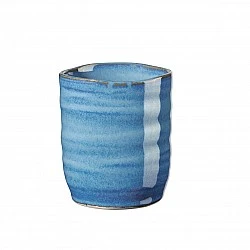
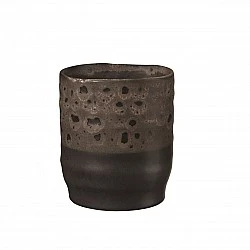
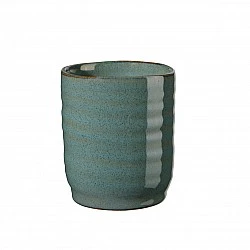
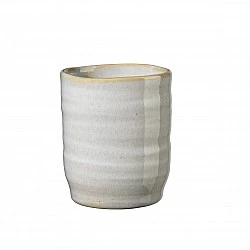
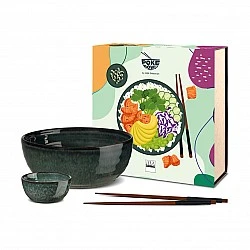
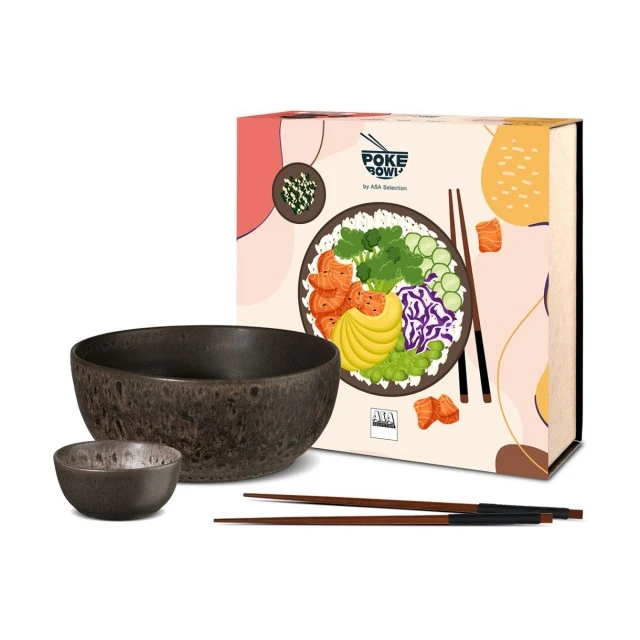
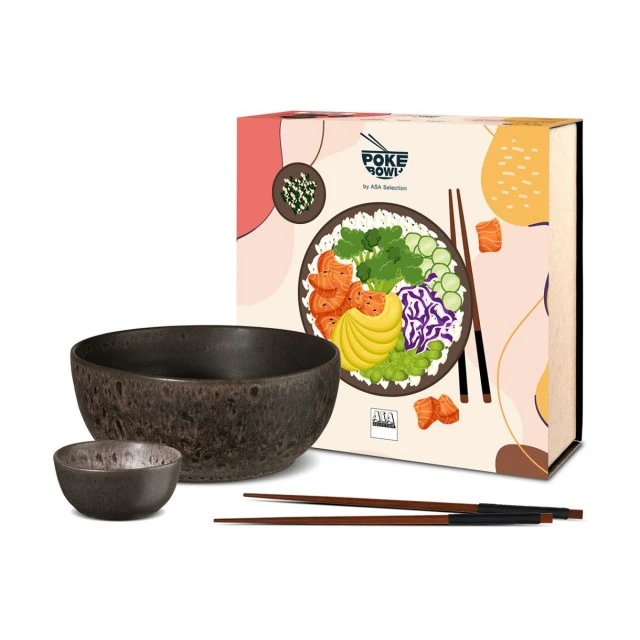
Poké Asa Selection Bowl Set Mangosteen Color
Specifications
| Info | |
| Material | дърво, керамика |
| Collection | Poké |
| Size | 18см 7см; 8см 3,5см; |
29.90€
- Stock: Out Of Stock
- Model: GEC-24950266
- Weight: 0.90kg
- EAN: 4024433031116
✨ MagicAI: Last inventory update: 19-08-2026
Tags:
Poké
Description
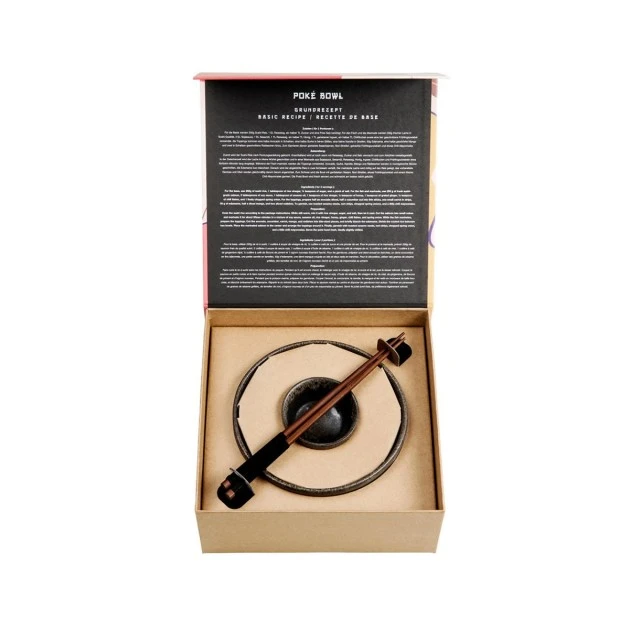
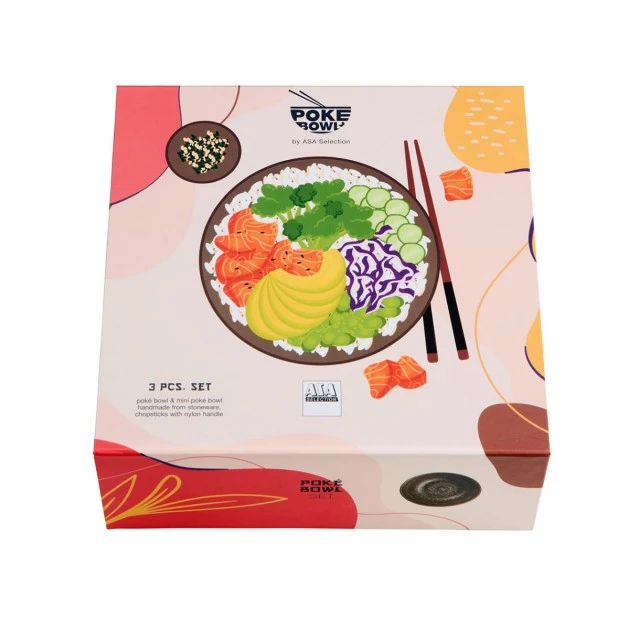
This stylish Poké set is the perfect gift for fans of modern bowls and Asian cuisine. The large bowl is perfect for Poké, rice dishes, salads or noodle variations, while the smaller bowl is ideal for dips, side dishes or toppings. The included chopsticks complete the authentic Asian culinary experience. Packaged in a beautiful gift box. The set includes: 1x Poké bowl 1x Poké mini bowl 1x Set of wooden chopsticks with black nylon handles Poké bowl is a Hawaiian dish with deep roots in Japanese cuisine. Poké means "cut into pieces" and the name refers to slices or cubes of raw fish that are served in a bowl, along with rice, dressing, vegetables and spices. Poké is a dish characteristic of Hawaiian cuisine. In the late nineteenth and early twentieth centuries, thousands of Japanese immigrated to the island to work on the sugar and pineapple plantations. So many Japanese arrived in Hawaii that by the 1920s, more than 40% of the population was Japanese. It’s no wonder that Japanese eating habits have become integrated into Hawaiian cuisine! Poké is a great example of this. Both the native Hawaiians and Japanese immigrants loved raw fish, so the new dish spread to local menus in the 1970s. Traditionally, Poké is very simple: cubes of raw “ahi,” a local type of tuna, served with a little Hawaiian salt, chopped seaweed, and roasted and finely ground kukui (a cashew nut, lacquer tree); no rice, no additives. Poké seems like a casually thrown-out Hawaiian version of the strict, clean Japanese sashimi. The modern Poké bowl is a dish that can be adapted to any taste and preference. In fact, cubes of fish are the only requirement – they can be raw, marinated or baked. Anything goes, though most versions remain local and international, without straying far from their Japanese-Hawaiian roots.